The 2026 share report puts European tracker shipments at a record 25 GWdc, while fixed-tilt structures still account for roughly half of utility-scale PV in the region.
These two facts are not contradictory. They describe different product decisions in different countries, driven by land use, subsidy design and the economics of dual-use sites.
The coexistence also explains why a tracker-led vendor would buy a fixed-tilt supplier in the same year.
What the data says
Two technology routes
We tabulate tracker and fixed-tilt share with country notes for Germany, France and Poland, where agrivoltaic and dual-use rules differ.
Reading the units
How subsidies change structure
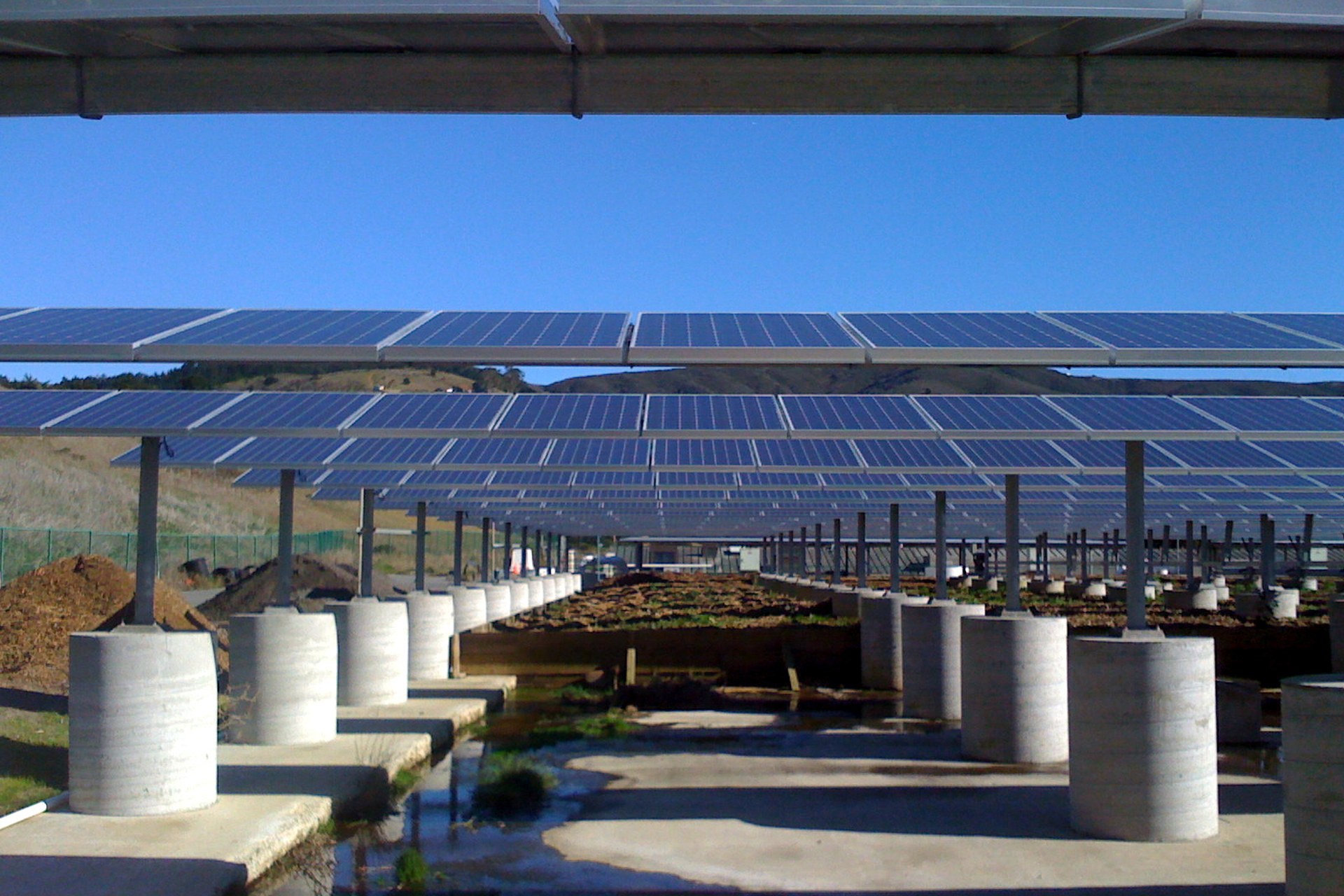
Agri-PV support can require clearance height, wider row spacing and foundation types that are structurally different from a conventional tracker row. A share figure alone hides this design change.
The market logic behind an acquisition
If fixed tilt is about half of the European utility market, a portfolio with no fixed-tilt line cannot address it. This links the data entry to the Zimmermann transaction coverage.
Data box
| Field | Value as reported |
|---|---|
| European tracker shipments | 25 GWdc, record |
| Fixed tilt | About 50 percent of utility-scale PV |
| Countries noted | Germany, France, Poland |
| Regional leader | Axial, by share |
| Policy link | EU agri-PV and CAP-related funding |
All figures above are quoted with the unit and reference period used by the primary source. They are reproduced here for reference, not independently re-measured.
What the number does not mean: verification note
The 50 percent figure is an S&P Global estimate quoted in a vendor press release and needs checking against the original report. 'First in Europe' refers to share, not total shipment volume.
What to watch next
National agri-PV tender rules and a primary copy of the fixed-tilt share estimate.
Primary sources
- Wood Mackenzie 2026 share report (Europe section)
- S&P Global fixed-tilt share, as cited in Nextpower 2026-06-22 release
- EU agri-PV / CAP funding programme documents
Figures are reproduced with their original units and reference periods. solarrack.wiki does not restate vendor-reported data as independently audited statistics.
Researched and written by the solarrack.wiki editorial desk. Every figure in this article carries a source and a verification note; where a claim could not be confirmed against a primary document, it is labelled as such. Corrections: [email protected]