The February 2026 steel-frame supply agreement brought a long-running materials question into the tracker supply chain: when does steel make sense as a module frame?
Frame choice is usually treated as a module bill-of-materials decision. Once a tracker supplier sells the frame, it also becomes part of the tracker's mechanical interface and of domestic-content arithmetic.
That combination is why this explainer sits in the technology section rather than in procurement news.
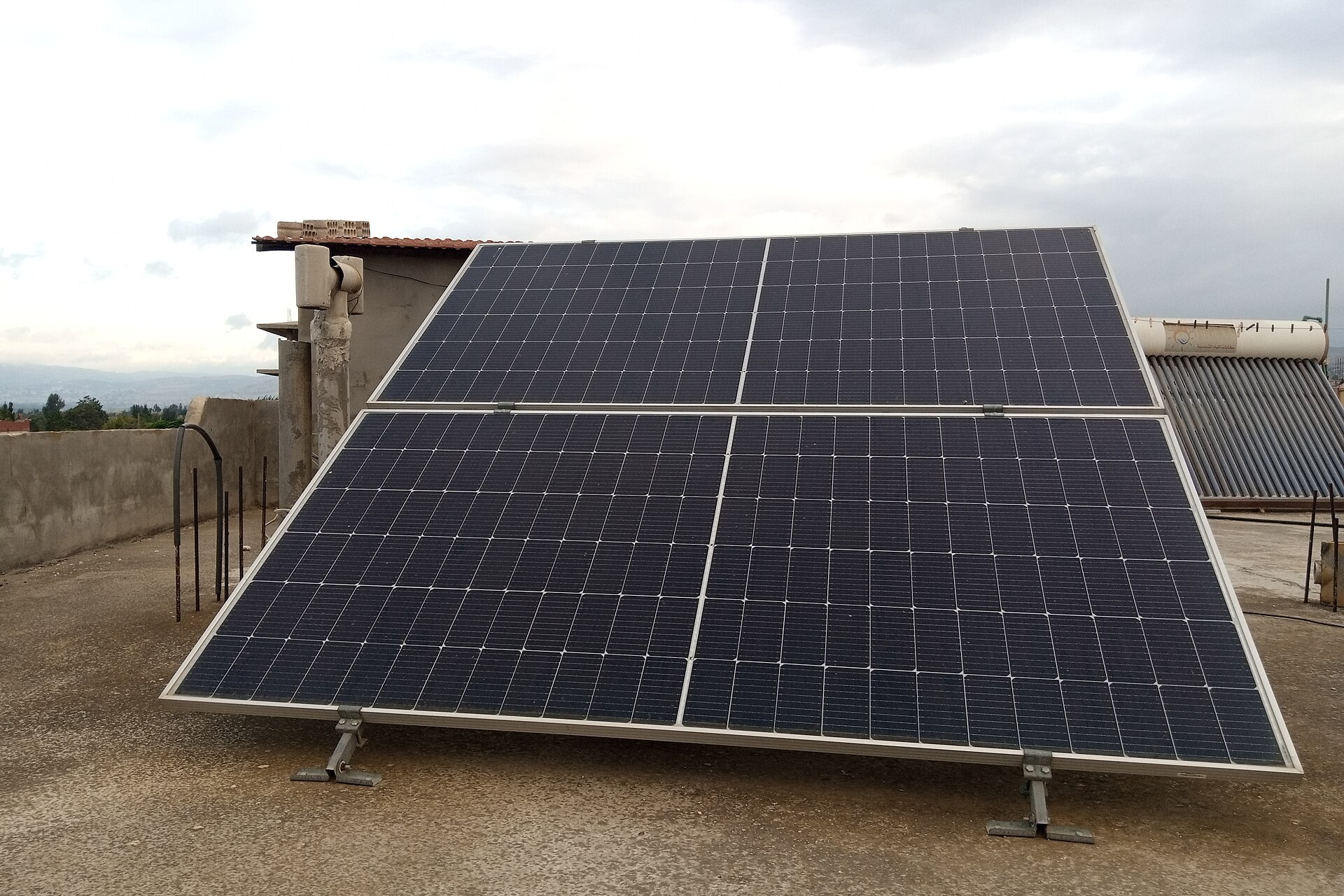
The engineering problem
Mechanical comparison
Steel and aluminium differ in stiffness, density, deflection under load and the way the frame transfers load into the tracker's module attachment. We compare these as parameters to be requested from suppliers, not as a published ranking.
What changes in practice
Carbon accounting
An environmental product declaration or an ISO 14067 statement covers a defined life-cycle boundary: raw material, manufacturing, transport and end of life. Electricity mix can move the result substantially, so a single kgCO2e figure without a boundary is not comparable.
Policy interaction
A domestic-content benefit and a metals tariff can pull in opposite directions. Any cost comparison must state the policy date and jurisdiction alongside the material price.
Data box
| Field | Value as reported |
|---|---|
| Comparison | Steel vs aluminium module frames |
| Parameters | Torsional stiffness, deflection, areal density, embodied carbon |
| Carbon instruments | EPD, ISO 14067 |
| Policy references | U.S. domestic content guidance, Section 45X, Section 232 |
| Trigger | 17 February 2026 supply agreement |
All figures above are quoted with the unit and reference period used by the primary source. They are reproduced here for reference, not independently re-measured.
Limits of the evidence: verification note
The '+6%' domestic-content figure is a vendor citation of Treasury guidance. An EPD or ISO 14067 declaration is a product statement, not a performance certification.
What to watch next
Comparable EPDs with matching system boundaries for both frame materials.
Primary sources
- Nextpower / Jinko Solar independent testing statements, 2026-02-17
- EPD and ISO 14067 certificates (TrinaTracker FixOrigin, frame suppliers)
- U.S. Treasury domestic content guidance; Section 45X
Researched and written by the solarrack.wiki editorial desk. Every figure in this article carries a source and a verification note; where a claim could not be confirmed against a primary document, it is labelled as such. Corrections: [email protected]